Source Waterproof Heavy Duty Tool Bag for Hardware, Electrical, Car Repair
Compare 30 verified options for a waterproof heavy duty tool bag designed for hardware, electrical, and car repair applications. Buyers can evaluate capacities, materials, and customization services to find the right storage solution.
Key considerations
Products List


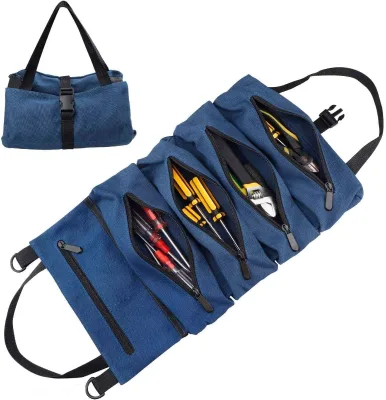


Comprehensive Sourcing Guide
Strategic Sourcing Guide for Waterproof Heavy Duty Tool Bags
Understanding Product Specifications and Material Composition
When sourcing waterproof heavy duty tool bags, buyers must first establish a clear understanding of the technical specifications that define product viability. The core keyword implies a need for durability and protection against moisture, which directly correlates with specific material and construction standards observed in the market. The primary material identified for these high-performance bags is polyester, a synthetic fabric chosen for its resistance to tearing, abrasion, and water penetration. In the context of heavy-duty applications, the yarn count is a critical metric; specifications indicate the use of 1000d*1000d yarn, which signifies a high denier count. This high denier rating is essential for ensuring the fabric can withstand the rigors of industrial environments, such as construction sites or automotive repair shops, where sharp edges and heavy loads are common.
Beyond the fabric itself, the structural integrity of the bag is defined by its capacity and hardness. The market offers a spectrum of options ranging from soft to medium soft hardness, allowing buyers to select products that balance portability with structural rigidity. For heavy-duty applications, the bearing capacity is a non-negotiable specification. Data indicates that these bags are engineered to support loads exceeding 10 kg, with specific models capable of handling weights between 3 kg and 10 kg. This variance allows procurement teams to match the bag's load-bearing capabilities to the specific weight of the tools being transported. Furthermore, the physical dimensions are often standardized to ensure compatibility with storage systems. Standardized sizes include models with dimensions around 473013 cm and others measuring 30×15×45cm, catering to both compact hand tools and larger electrical equipment.
The functional attributes of these bags extend beyond simple storage. A defining characteristic is the waterproof capability, which is often enhanced by specific coatings or materials like PVC tarpaulin. Some products feature a "Coating" style that further repels water, while others rely on the inherent properties of the polyester weave. The design also varies by usage type; options include "Double Shoulder" configurations for balanced carrying and "Hand-Held" styles for quick access. The color palette is diverse, with standard offerings in black, red, blue, white, and green, alongside the availability of customized colors to meet corporate branding requirements. This variety ensures that the tool bag can serve as both a functional piece of equipment and a branding asset for the organization.
Compliance, Certification, and Safety Standards
In the B2B procurement of industrial equipment, verifying compliance and certification is as critical as evaluating the physical product. For tool bags intended for professional use, the supply chain must demonstrate adherence to recognized social and environmental standards. One of the most significant certifications observed in this sector is BSCI (Business Social Compliance Initiative). This certification indicates that the manufacturing facility adheres to strict codes of conduct regarding labor practices, health and safety, and environmental impact. Procurement teams should prioritize suppliers who can provide valid BSCI certificates, as this reduces the risk of supply chain disruptions due to non-compliance and ensures ethical sourcing practices.
While specific technical standards for the bags themselves may vary by region, the material standards are often explicitly defined. The product standard for polyester-based bags is frequently cited as "polyester," confirming the material composition. However, buyers must verify that the specific polyester grade meets the required durability benchmarks for heavy-duty use. Additionally, the packaging standards play a role in compliance. Products are often shipped in polybags, cartons, or hard tubes, depending on the model. For instance, some models utilize a "Polybag+Carton" combination, while others may use "Customary Packing" or "Hard Tube" to prevent damage during transit. Ensuring that the packaging meets the logistical requirements of the destination market is essential for maintaining product integrity upon arrival.
Buyers should also be aware of the customization capabilities regarding logos and branding. Most suppliers in this sector offer logo customization, which is a standard feature for B2B orders. This allows companies to brand their tool bags for internal use or client distribution. The availability of OEM (Original Equipment Manufacturer) and ODM (Original Design Manufacturer) services further underscores the flexibility of the supply chain. These services enable buyers to tailor the product to their specific needs, from color schemes to internal organization. However, when requesting customizations, it is vital to ensure that the modifications do not compromise the waterproof or structural integrity of the bag. The supplier must demonstrate that the customization process maintains the product's original performance standards.
Cost Drivers and Pricing Dynamics
The pricing of waterproof heavy duty tool bags is influenced by a complex interplay of factors, including material costs, customization levels, and order volume. The observed price range in the market spans from approximately $0.98 to $22.50 USD. This wide variance reflects the diversity in product complexity, from basic polybag-packaged items to more sophisticated, branded, and customized solutions. The lower end of the price spectrum typically corresponds to standard models with minimal customization, such as the "QMRS-S0381" or "QM-SS940" models, which may come in standard colors and packaging. Conversely, the higher price points are associated with bags featuring advanced features like PVC tarpaulin construction, specific high-denier yarns, and extensive customization options.
Order volume is a primary driver of cost efficiency. The Minimum Order Quantity (MOQ) for these products varies significantly, ranging from as low as 1 unit for samples to as high as 5000 units for bulk production. This flexibility allows buyers to test the market with small orders before committing to large-scale procurement. However, larger orders often benefit from economies of scale, which can reduce the per-unit cost. Buyers should note that the "Suite Quantity" also impacts pricing; some products are sold in sets of less than 10, while others are available in sets of more than 12. Understanding the suite configuration is crucial for budgeting, as it affects the total cost of ownership.
Lead times and delivery schedules also contribute to the overall cost structure. The standard delivery date for these products is typically around 30 days, with sample dates available within 5 days. These timelines can fluctuate based on the complexity of the order and the supplier's current production capacity. Buyers should factor in potential delays when planning their procurement cycles, especially for time-sensitive projects. Additionally, the origin of the product, primarily China or specific regions like Quanzhou, influences logistics costs. Shipping from these locations may involve different freight rates and customs duties depending on the destination country. Therefore, a comprehensive cost analysis must include not only the unit price but also shipping, duties, and any potential tariffs.
Typical Applications and Usage Scenarios
Waterproof heavy duty tool bags are designed to serve a wide array of professional applications, making them versatile assets for various industries. The primary usage categories identified include hardware tools, hand tools, electrical tools, and car repair tools. This broad applicability ensures that the bags can be utilized by a diverse range of professionals, from construction workers and electricians to automotive mechanics and general maintenance crews. The specific design features of the bags, such as their bearing capacity and hardness, are tailored to meet the demands of these different sectors. For instance, bags with a bearing capacity of over 10 kg are ideal for transporting heavy power tools, while those with medium capacity are better suited for lighter hand tools.
The "Double Shoulder" and "Hand-Held" configurations offer distinct advantages depending on the work environment. Double shoulder bags provide better weight distribution, making them suitable for long-duration tasks where the user needs to carry heavy loads over extended periods. This is particularly beneficial for construction workers who may need to transport tools across large job sites. On the other hand, hand-held bags offer greater portability and quick access, which is essential for electricians or technicians who need to retrieve tools rapidly during repairs. The waterproof feature is a critical asset in all these scenarios, protecting sensitive electronic components and metal tools from moisture damage, which can lead to corrosion or malfunction.
Furthermore, the customization options allow these bags to be adapted for specific industry needs. For example, a company specializing in car repair might opt for a bag with a specific color scheme and logo to enhance brand visibility. Similarly, electrical contractors might require bags with specific internal compartments to organize their tools efficiently. The ability to customize the bag's style, such as the "Coating" style, adds another layer of functionality, ensuring that the bag can withstand harsh environmental conditions. Whether used in wet conditions, dusty environments, or extreme temperatures, the heavy-duty construction of these bags ensures that the tools inside remain protected and ready for use.
Supplier Evaluation and Quality Control Protocols
Selecting the right supplier is a critical step in the procurement process, requiring a thorough evaluation of their capabilities, reputation, and quality control measures. Buyers should prioritize suppliers who demonstrate transparency in their production processes and can provide clear documentation of their certifications, such as BSCI. The origin of the product, often China or Quanzhou, should be verified to ensure that the supplier has a robust manufacturing infrastructure capable of meeting high-volume orders. Additionally, the supplier's ability to offer OEM/ODM services is a strong indicator of their flexibility and commitment to meeting client-specific requirements.
Quality control should be integrated into every stage of the procurement process. Buyers must verify that the products meet the specified material standards, such as the 1000d*1000d yarn count and the polyester composition. Testing for waterproofing and shockproof capabilities is essential, especially for bags intended for use in harsh environments. The observed features, such as "Waterproof, Shockproof" functionality, should be validated through independent testing or supplier-provided test reports. Furthermore, the packing standards, including the use of polybags, cartons, or hard tubes, should be inspected to ensure that the products arrive in pristine condition.
Buyers should also assess the supplier's responsiveness and communication channels. A reliable supplier will be able to provide timely updates on order status, lead times, and any potential issues that may arise during production. The availability of samples, with a typical sample date of 5 days, allows buyers to evaluate the product quality before committing to a large order. Additionally, the supplier's willingness to accommodate customization requests, such as logo placement and color selection, is a key factor in building a long-term partnership. By conducting a comprehensive supplier evaluation, buyers can mitigate risks and ensure a steady supply of high-quality waterproof heavy duty tool bags.
Long-Term Procurement and Strategic Considerations
Sourcing waterproof heavy duty tool bags is not merely a transactional activity but a strategic decision that impacts long-term operational efficiency and cost management. Buyers should consider the total cost of ownership, which includes not only the initial purchase price but also the durability, maintenance, and replacement costs of the bags. High-quality bags with superior materials and construction, such as those made from 1000d*1000d polyester, may have a higher upfront cost but offer better longevity and reduced replacement frequency. This long-term perspective can lead to significant cost savings over time.
Another strategic consideration is the scalability of the supply chain. As the organization grows, the demand for tool bags may increase, requiring a supplier capable of scaling production without compromising quality. The observed MOQ range of 1 to 5000 units suggests that suppliers can accommodate both small and large orders, providing flexibility for growing businesses. However, buyers should establish clear communication channels and contractual agreements to ensure that the supplier can meet future demand spikes. Additionally, the ability to customize products allows the organization to adapt to changing needs, such as rebranding or updating tool sets.
Finally, buyers should maintain a proactive approach to supplier relationship management. Regular performance reviews, feedback loops, and collaborative planning can help strengthen the partnership and ensure continuous improvement. By focusing on long-term value rather than short-term gains, buyers can secure a reliable supply of high-quality waterproof heavy duty tool bags that support their operational goals. This strategic approach not only enhances the efficiency of the procurement process but also contributes to the overall success and competitiveness of the organization.
FAQs
What materials are used for waterproof heavy duty tool bags?
These bags primarily use polyester with a 1000d*1000d yarn count for durability. Some models feature PVC tarpaulin or coating styles to enhance water resistance and structural integrity for industrial use.
Can I customize the logo and color of the tool bag?
Yes, logo customization is available along with multiple color options like black, red, blue, white, and green. Buyers can also request customized colors to meet specific corporate branding requirements.
What is the minimum order quantity for these tool bags?
The minimum order quantity ranges from 1 unit for samples up to 5000 units for bulk production. This flexibility allows buyers to test the market before committing to large-scale procurement orders.
Which certifications do the manufacturers hold for social compliance?
Many suppliers hold BSCI certification, indicating adherence to strict labor and safety standards. This certification ensures ethical sourcing practices and reduces supply chain risks for professional buyers.
How much weight can the heavy duty tool bags support?
The bearing capacity varies by model, with some supporting over 10 kg and others handling 3 to 10 kg. This allows selection based on the specific weight of tools being transported.
What is the typical lead time for delivery of these bags?
The standard delivery date is typically around 30 days for production and shipping. Sample dates are available within 5 days, though timelines may fluctuate based on order complexity.